What a speakeasy actually is, in Amsterdam
Nobody in this city is actually hiding from the law. The speakeasy idea survived Prohibition and became a style: no sign, a plain door, a room built for people who already know it is there. Amsterdam has taken to the format properly, tucking small bars behind bookshops, laundrettes and unmarked canal-house doors across the centre.
The appeal is not secrecy for its own sake. It is the room on the other side. Low light, a short menu built around technique rather than trend, a bartender who treats six seats like six guests rather than a shift to get through. Find the door once and you keep the address for good.
Finding the door
Most speakeasy bars give themselves away with one small detail once you know to look for it: a doorbell with no name, a window with the blinds always down, a queue of two or three people standing somewhere that looks otherwise empty. Amsterdam Centrum hides the highest concentration, mostly along the quieter stretches between the main canals, a few streets back from where the crowds walk.
Phones help less than you would think. Search results point at the neighbourhood, rarely at the exact step. This is one of the few places in the city where asking a local, or a companion who already knows the block, genuinely beats a map.
Reservations and the phone call
Small rooms mean small capacity, and small capacity means many of these bars take a booking rather than a walk-in on a Friday. A short call or message ahead, sometimes the same evening, secures a seat without the gamble of arriving to a full room and a closed door.
Group size matters more here than at an ordinary bar. Two or three people fit almost any speakeasy comfortably. Six start to strain the room. Ask before you arrive with a group, and be ready for a shorter visit if the bar is already close to full.
What happens once you are inside
The format rewards patience. Menus run short on purpose, sometimes just a handful of drinks with no name repeated twice, and the bartender expects a short conversation before pouring: a spirit, a mood, maybe nothing more than what you drank last time you loved a cocktail. Let the exchange happen. It is part of the evening, not a delay before it.
Volume stays low by design. Conversation carries easily, which makes a speakeasy one of the better settings in the city for an evening that is actually about talking rather than being seen.
The etiquette of a room built for six
A tiny bar runs on different manners to a big one. Phones stay face down or in a pocket, since the light and the clatter carry further than they would in a busier room. A round of photos for a group chat is fine once, not repeated through the evening. Conversations at the next seat are close enough to overhear, so a lowered voice is simple courtesy rather than a rule anyone enforces.
Staff in these bars tend to remember faces fast, given how few seats they are working with. A second visit within the same trip is often met with a genuine welcome rather than a blank look, which is part of why regulars form quickly around a good hidden bar. Mentioning the first visit when you book the second one is a small courtesy that is always noticed.
The company that suits a quiet room
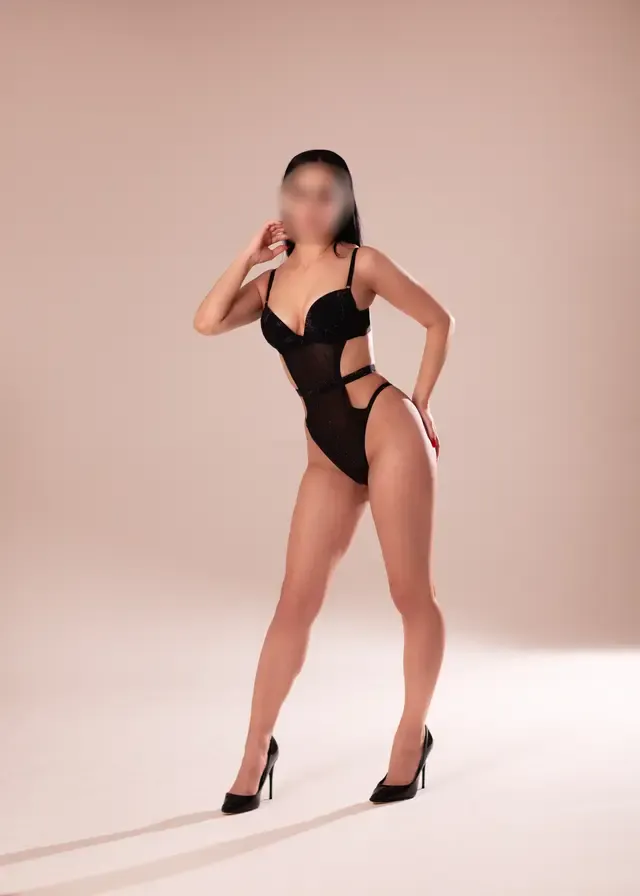
A loud, restless date fights a speakeasy's whole point. This is a setting for someone who slows down well. Karolina is poised and quietly witty, an architecture walker who notices the room before the drink arrives, exactly the kind of company a hidden bar deserves. Margo plays piano herself and carries a vintage lounge elegance that fits a low-lit counter like it was built for her.
Either suits the girlfriend experience format particularly well here: warm, unhurried, no need to fill every silence. Full profiles sit on the girls page, alongside everyone else who knows a good quiet room from a merely dark one.
Booking a speakeasy night
Plan the door before you plan the drink. If you already know an address, share it with the desk when you book so timing lines up. If you do not, describe the mood, quiet, classic, a little theatrical, and let the evening be built around the right kind of room rather than a specific name.
Arrive a few minutes early rather than exactly on time. A hidden bar with limited seats does not hold a table indefinitely, and finding the door itself sometimes takes an extra minute the first time, doorbells and blank facades being what they are.
A single stop like this runs an hour comfortably, longer if the conversation is good. The first hour starts from €180 per hour. Stretch the evening into dinner or a second bar afterwards and the extra time is on request, confirmed on WhatsApp before the night begins.